


The Human Element: Why Digital Parenting Is Still Parenting
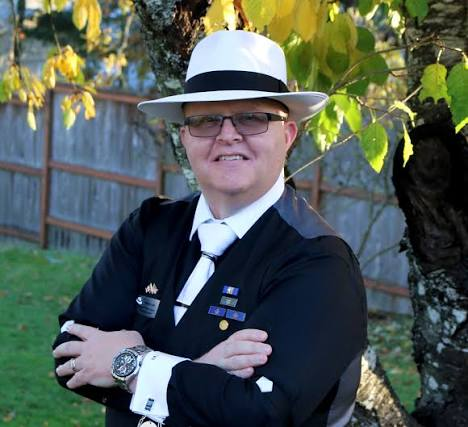
By Darren Laur

Raising children in today’s digital world can sometimes feel like an endless search for the right answer.
Which parental controls should we use? How much screen time is too much? What age is appropriate for social media? How do we protect children from misinformation, online risks, and harmful content?
There is certainly no shortage of advice.
But according to Darren Laur, author of The Human Element: Why Raising Children in Today’s Online World Requires More Than Parental Controls and Legislation, there may be a bigger question we need to ask:
What are we doing to help children develop the skills they will need when no parent, teacher, filter, or law is there to make the decision for them?
Moving Beyond What to Fear
Darren has spent nearly three decades working in the field of internet safety and digital education. His new book takes a different approach to digital parenting.
Rather than focusing only on what parents should fear or how technology can be controlled, The Human Element explores what parents and caregivers can intentionally build with their children: trust, communication, empathy, critical thinking, resilience, and character.
As Darren writes in the introduction:
“Digital parenting is still parenting.”
The tools may have changed, but the fundamentals of raising children have not.
Children still need adults who listen, model healthy behavior, set reasonable boundaries, admit mistakes, remain curious, teach values, and create relationships where asking for help feels safer than hiding a problem.
What Can We Build Before There Is a Crisis?
One of the ideas at the heart of The Human Element is the importance of preparing children before something goes wrong.
That means building trust before a crisis.
Building communication before a difficult disclosure.
Building critical thinking before misinformation appears.
Building empathy before conflict erupts.
Building resilience before adversity arrives.
And helping children develop an internal compass before they are old enough to navigate the digital world independently.
This shifts the conversation from simply asking, “How do we keep children away from online risks?” to a broader question:
“How do we help children become capable of navigating those risks?”
Parental controls, monitoring tools, age restrictions, and legislation can all have a role in creating safer digital environments. But they cannot replace the human relationships and personal qualities children need to make thoughtful decisions on their own.
The Human Side of Digital Literacy
Digital literacy is about more than knowing how to use technology.
It also involves understanding how our choices affect ourselves and others, recognizing misinformation, thinking critically about what we see online, understanding our responsibilities, and knowing when to ask for help.
Darren's book explores why qualities such as empathy, connection, integrity, wisdom, compassion, trust, courage, and character matter just as much in digital spaces as they do face-to-face.
Because eventually, children will encounter situations where technology cannot tell them what the right thing to do is.
They will have to decide for themselves.
And that is where the human element matters most.
Read The Human Element for Free
Darren has generously made The Human Element: Why Raising Children in Today’s Online World Requires More Than Parental Controls and Legislation available free to parents and caregivers.
You can read the book online or download the full PDF here:
For parents, caregivers, educators, and anyone helping young people navigate today's digital world, it offers an important reminder:
Technology may change, but children still need connection, guidance, and the human qualities that help them make wise choices.

Darren Laur, The White Hatter, is a Canadian internet safety educator, author, and speaker with nearly three decades of experience helping parents, educators, and young people navigate the digital world. He is the author of The Human Element: Why Raising Children in Today’s Online World Requires More Than Parental Controls and Legislation and founder of The White Hatter.


